
Japanese / English

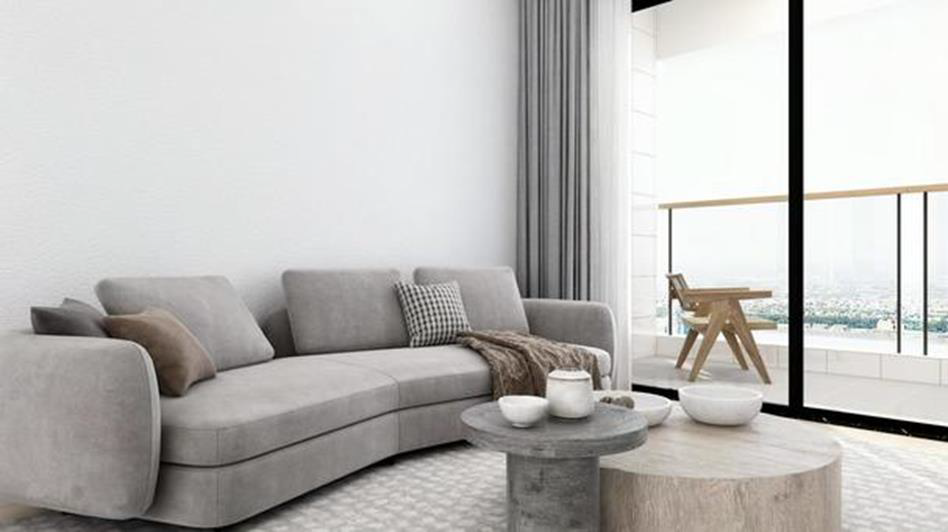
A quiet environment is essential for comfortable living and concentration. In modern urban life, however, outside noise and indoor acoustics can make it hard to secure a space as quiet as you would like. Traffic noise, sounds from neighbors, household appliances and people's activities indoors can all be problems. Depending on the building, footsteps and vibration from the floor above may also be a concern. Solving these problems requires measures using different sound-absorbing and sound-insulating materials for each source.
This column explains the basics of choosing measures according to where the sound comes from and what kind of sound it is. We first look at sound coming from outside, then sound produced indoors, and finally footsteps from the floor above. These measures will help you create a quieter, more comfortable indoor environment.
1. When the Sound Comes from Outside

To block sound from outside, sound-insulating materials come first. When outside noise enters through windows or walls, double-glazed windows or sound-insulating curtains are effective for windows. For walls, installing sound-insulating sheets or panels without leaving gaps blocks outside noise effectively.
Sound-insulating sheets have the advantage of being easy to add to existing walls. Rubber-based sheets, however, can give off a strong smell of rubber and additives that makes a room unpleasant, so choose one with little odor. Gaps around doors also let sound in, so sealing them with door seals helps further.
To make a room even quieter, combine sound-absorbing materials and double the walls to reduce sound intrusion. Placing these appropriately creates a quieter environment.
The same measures apply when you want to keep indoor sound from leaking outside.
2. When the Sound Comes from Inside the Room

To control sound from sources inside a room, sound-absorbing materials are mainly used. For example, when playing musical instruments or reducing echoes in a home theater, installing sound-absorbing panels on walls and ceilings is effective in reducing reverberation.
Laying thick carpets or rugs reduces sound reflection from the floor and increases absorption. Fabric bedding and sofas also absorb sound, so increasing the area of absorbing materials and arranging them well makes a room quieter.
3. Footsteps from the Floor Above

Preventing footstep noise from the floor above is quite difficult. The impact of walking makes the floor vibrate, and that vibration travels so that ceilings and walls act like speakers. If the building structure itself can be changed, methods such as double-floor structures or anti-vibration materials greatly reduce the transmission of vibration. Even if the structure cannot be changed, laying anti-vibration mats or thick carpets on the floor to keep it from vibrating is an effective measure.
In apartments where vibration cannot be dealt with at the source, combine vibration damping, sound insulation and sound absorption. First, attach anti-vibration mats to large ceiling or wall areas that act as speakers. Next, install sound-insulating and sound-absorbing materials to reflect and absorb sound from above. Sound-absorbing panels and ceiling boards effectively reduce sound from upstairs. Combining these measures effectively reduces footstep noise and creates a quiet indoor environment.
A quiet environment not only improves quality of life but also helps concentration and relaxation, and is good for your health. It may be hard to perfect noise control all at once, but steady improvements will bring results. Find the methods that suit you best and create a comfortable, quiet living space.